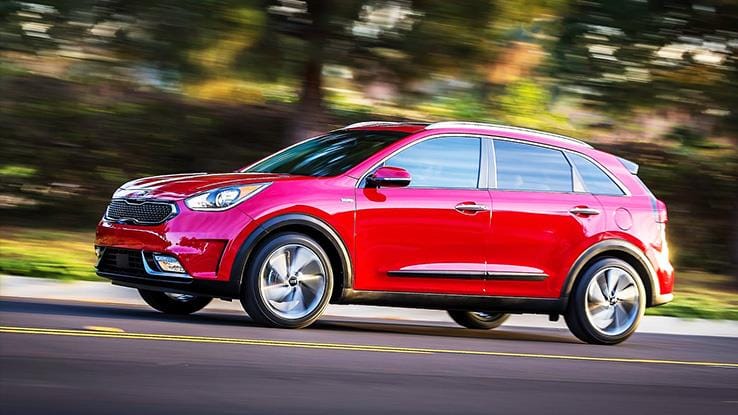
How Autonomous Vehicles Are Revolutionizing Urban Living
As urban populations continue to surge, the integration of autonomous vehicles is set to transform the way we navigate city life. These self-driving innovations promise to enhance road safety, reduce traffic congestion, and decrease greenhouse gas emissions. With the ability to optimize routes and communicate with one another, autonomous vehicles can streamline transportation systems, allowing for more efficient use of urban space. According to recent studies, cities implementing shared autonomous vehicle fleets could see a significant reduction in the number of cars on the road, thereby creating more pedestrian-friendly environments.
Beyond just improving transportation, autonomous vehicles are poised to redefine urban living by increasing accessibility for elderly and disabled populations. Imagine a city where individuals can rely on autonomous ridesharing services to travel easily and safely. Additionally, the rise of these vehicles may lead to the development of smart infrastructure, such as dedicated lanes and parking solutions that adapt in real-time to traffic conditions. As more people embrace this technology, we can expect to witness a shift in urban design that prioritizes sustainability and efficiency, ultimately creating a more livable environment for all.
Counter-Strike is a popular first-person shooter game series that pits teams of terrorists against counter-terrorists in various gameplay modes. Players can engage in thrilling matches that require strategy, teamwork, and quick reflexes. For gamers who love to enhance their mobile experience, Top 10 iPhone car accessories can make a significant difference in your setup.
The Impact of Electric Cars on Our Daily Commute
The rise of electric cars has significantly transformed our daily commute, offering a range of benefits that extend beyond mere convenience. One of the most notable impacts is the reduction in carbon emissions, contributing to cleaner air in urban environments. Electric vehicles (EVs) produce zero tailpipe emissions, which means that as more people adopt this technology, we can expect a marked improvement in air quality, resulting in a healthier population. Moreover, many city governments are promoting the use of EVs through tax incentives, dedicated charging stations, and access to HOV lanes, further enhancing their appeal for daily commutes.
In addition to environmental benefits, electric cars are also redefining the economics of commuting. With lower maintenance costs and the potential for significantly reduced fueling expenses compared to gasoline vehicles, commuters can save money in the long run. The cost of electricity is generally lower than that of gasoline, making the long-term savings from switching to an EV considerable. Furthermore, as technology advances and charging infrastructure expands, the range anxiety associated with electric cars continues to diminish, making them an increasingly viable option for daily commutes. The future of commuting looks bright with the ongoing integration of electric cars.
Can Car Technology Solve Urban Traffic Congestion?
The rapid advancement of car technology plays a significant role in addressing the ongoing issue of urban traffic congestion. Innovations such as smart traffic management systems, vehicle-to-everything (V2X) communication, and autonomous driving capabilities can drastically improve traffic flow. For instance, smart traffic lights that adapt in real-time to changing traffic patterns can reduce wait times at intersections. This approach not only alleviates congestion but also enhances road safety by minimizing stop-and-go traffic, which is often a precursor to accidents.
Moreover, the integration of car technology with urban planning can lead to long-term solutions for traffic issues. By encouraging the use of shared mobility services and incorporating data analytics, cities can optimize public transportation routes and reduce the reliance on single-occupancy vehicles. Initiatives such as carpooling incentives and designated lanes for electric vehicles can further mitigate congestion. Overall, the collaboration between car technology and city infrastructure presents a promising path toward solving urban traffic challenges, making our commute more efficient and environmentally friendly.