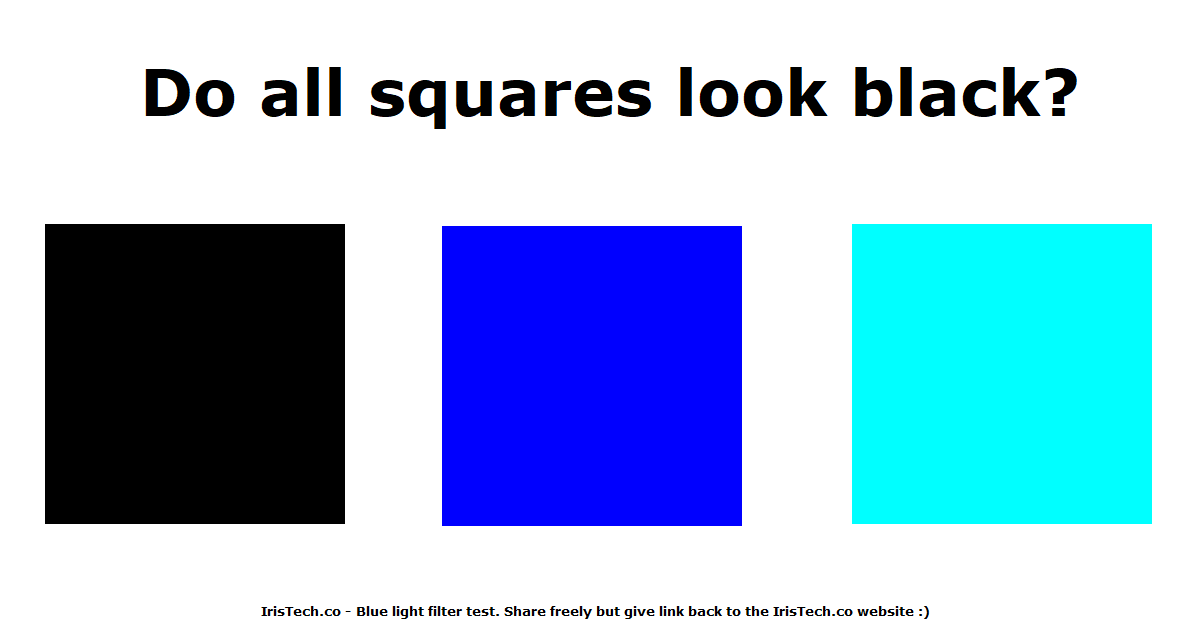
What Are Blue Light Filters and How Do They Work?
Blue light filters are specialized coatings or software applications designed to reduce exposure to blue light emitted from digital screens, such as smartphones, tablets, and computer monitors. Blue light, which has a short wavelength, is known to contribute to digital eye strain and can disrupt sleep patterns, especially when viewed in the evening. By filtering out a portion of this blue light, these tools aim to enhance visual comfort and promote healthier screen habits.
Blue light filters work by either absorbing or reflecting blue light waves, depending on the method used. Physical filters, such as glasses with a yellowish tint, can block a significant amount of blue light before it enters the eyes. Alternatively, software solutions adjust the color temperature of your display, reducing the intensity of blue light emitted. Many devices now come with built-in blue light filtering settings, allowing users to customize their screen experience.
Counter-Strike, often abbreviated as CS, is a popular multi-player first-person shooter game that has been captivating gamers since its inception in 1999. Players engage in tactical combat in various maps, taking on roles as either terrorists or counter-terrorists. As the game has evolved, so have the challenges of prolonged gaming sessions, leading many players to seek out Top 10 Phone Accessories for Eye Strain that can enhance their comfort and reduce visual fatigue.
The Benefits of Using Blue Light Filters for Better Sleep
In today's digital age, many of us are exposed to screens for prolonged periods, especially before bedtime. This exposure to blue light emitted from devices like smartphones, tablets, and computers can significantly disrupt our natural sleep patterns. Blue light filters have emerged as a popular solution to counteract these effects. By reducing the amount of blue light entering our eyes, these filters help to regulate melatonin production, the hormone responsible for sleep. Studies have shown that individuals who use blue light filters experience improved sleep quality, allowing for a more restful and rejuvenating night's sleep.
Moreover, the benefits of using blue light filters extend beyond just sleep improvement. They can also reduce eye strain and fatigue commonly associated with long hours of screen time. By incorporating blue light filters into your nightly routine, you may notice a decrease in headaches and discomfort, leading to a healthier overall lifestyle. As the importance of sleep continues to be highlighted in discussions about wellbeing, implementing blue light filters can be a simple yet effective way to enhance your sleep hygiene.
Can Blue Light Filters Really Improve Your Sleep Quality?
In today's digital age, many of us spend an increasing amount of time in front of screens, whether it be smartphones, computers, or televisions. This prolonged exposure to artificial light, particularly blue light, raises concerns about its impact on our sleep quality. Blue light is emitted by electronic devices and has been shown to interfere with the production of melatonin, the hormone responsible for regulating sleep. As a result, using blue light filters or apps that reduce blue light exposure in the evening can potentially help improve sleep patterns by allowing our bodies to prepare for rest more naturally.
Research indicates that filtering out blue light in the hours leading up to bedtime can indeed contribute to better sleep quality. By using blue light filters, whether through software on your devices or special glasses, you can minimize the disruptive effects of screen time on your circadian rhythm. Additionally, it is recommended to establish a sleep-friendly environment, which includes dimming lights and avoiding stimulating activities before bed. By combining these strategies, you may find a noticeable improvement in your overall sleep quality and well-being.