Top 10 Mac Storage Hacks to Free Up Space Instantly
Are you struggling with limited storage space on your Mac? You're not alone! Many users find themselves in a bind as files, applications, and system updates pile up. To help you reclaim precious gigabytes, we've compiled a list of Top 10 Mac Storage Hacks to free up space instantly. From utilizing built-in tools to exploring third-party applications, these hacks will empower you to optimize your storage efficiently.
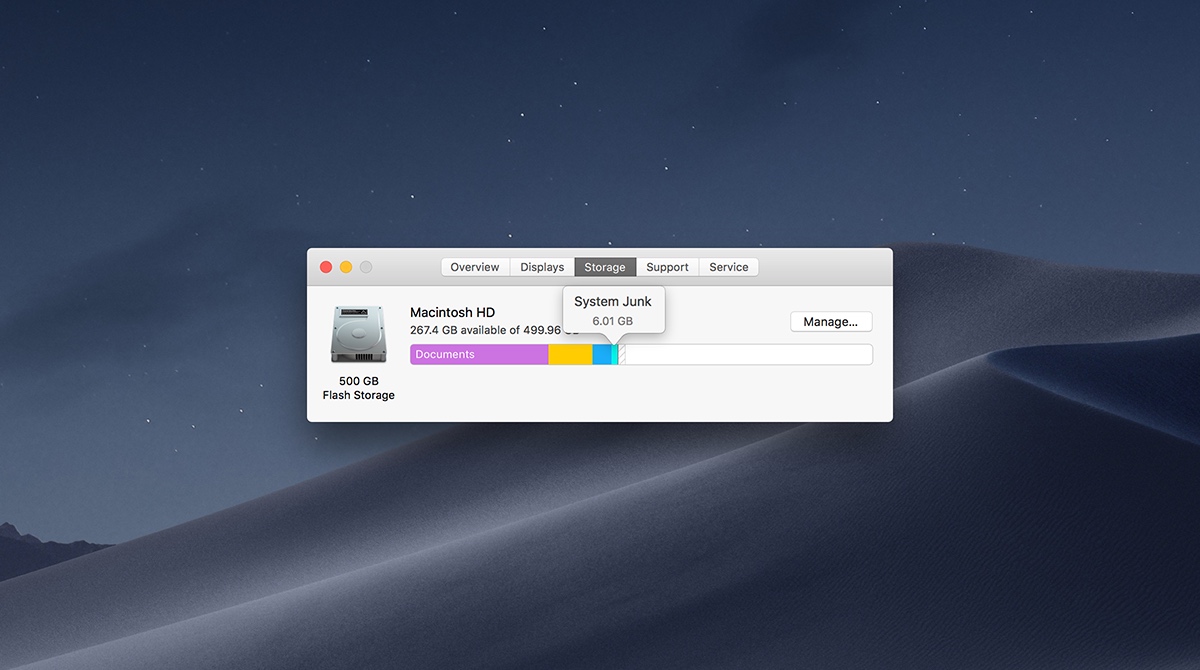
- Optimize Storage: Use the built-in storage optimization feature. Go to Apple Menu > About This Mac > Storage > Manage to enable recommendations that will help you offload files and manage your storage effectively.
- Remove Unused Applications: Regularly review and uninstall applications you no longer use. Drag them to the trash, or use an app like AppCleaner to remove all associated files.
- Clear Downloads Folder: Check your Downloads folder for files you no longer need, and delete them to free up space.
- Use Cloud Storage: Consider utilizing cloud services such as iCloud, Google Drive, or Dropbox to store essential files off your device.
- Empty Trash: Don't forget to empty your Trash regularly! Files in the Trash still occupy space until it is cleared.
- Delete Duplicate Files: Use apps like Gemini 2 to locate and remove duplicate files that are unnecessarily taking up your storage.
- Manage Large Files: Identify and move large files that are not frequently accessed. You can use Finder's search feature to sort files by size.
- Optimize Photo Library: If your Photos library is taking up space, consider switching to iCloud Photos and enabling Optimize Storage to keep only recent photos locally.
- Clear Cache and Logs: Regularly clear cache and log files from applications in the ~/Library/Caches and ~/Library/Logs directories.
- Utilize Disk Cleanup Apps: Consider third-party storage management tools like CleanMyMac to automate the process of cleaning up your device.
Counter-Strike is a highly popular first-person shooter game that pits teams of terrorists against counter-terrorists in various objective-based scenarios. Players can choose to participate in competitive matches or casual game modes, with an emphasis on teamwork and strategy. For those looking to enhance their gaming setup, it's essential to have fast storage solutions. Check out the Top 10 external ssds for mac for recommendations on the best options available.
Why Is My Mac Running Out of Storage? Common Culprits and Solutions
If you find that your Mac is running out of storage, it can be frustrating, especially if you're unsure why it's happening. Several common culprits may be responsible for consuming your disk space. These include large files, such as videos and photos, unused applications, and even system files that can accumulate over time. To get to the root of the problem, consider using the built-in Storage Management tool by navigating to About This Mac > Storage. This will provide a breakdown of what’s taking up space and help you identify areas where you can free up disk space.
Fortunately, there are several practical solutions to reclaim your Mac's storage. Start by removing any files or applications you no longer use; you can do this easily by dragging them to the Trash. Additionally, consider utilizing cloud storage services like iCloud, Google Drive, or Dropbox for archiving your large files and documents. For regular maintenance, it's crucial to empty your Trash regularly and even check for duplicate files with third-party applications. By implementing these strategies, you'll ensure that your Mac stays efficient and runs smoothly.
The Ultimate Guide to Optimizing Your Mac's Storage for Maximum Efficiency
In today's digital age, keeping your Mac's storage optimized is crucial for maintaining speed and performance. Over time, files and applications accumulate, leading to clutter that can slow down your system. To optimize your Mac's storage effectively, begin by evaluating what you really need. Delete unnecessary files and applications by navigating to the Applications folder and the Downloads directory. Use the built-in Storage Management tool by clicking on the Apple icon, selecting 'About This Mac', and then going to the 'Storage' tab. This tool provides valuable insights and recommendations on how to manage your files.
Another efficient method for maximizing your Mac's storage is to utilize cloud storage solutions. Services like iCloud Drive, Dropbox, or Google Drive allow you to store files off your device, freeing up valuable space. Additionally, consider compressing large files or using external hard drives for data archiving. Always remember to back up important data before making significant changes. Implementing these strategies will not only declutter your device but also enhance its overall efficiency, leading to a smoother and faster user experience.