The Science Behind Cooling Technologies: How They Work
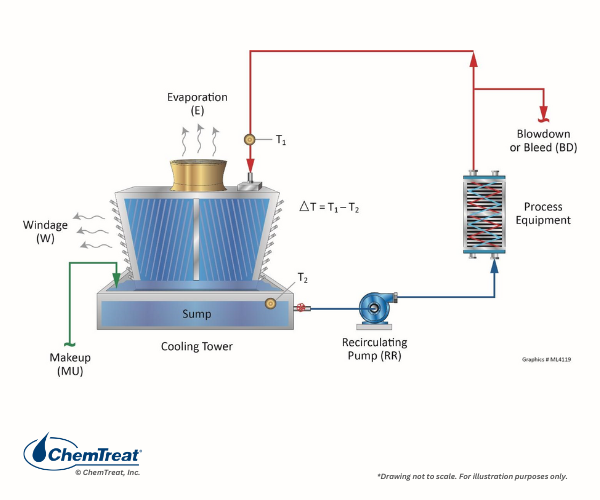
The science behind cooling technologies encompasses a variety of methods and principles that allow for temperature regulation in different environments. At the most basic level, cooling technologies work by removing heat from a designated area and transferring it elsewhere. This process can be achieved through several mechanisms, including evaporative cooling, refrigeration cycles, and thermal insulation. For instance, in evaporative cooling systems, water absorbs heat and evaporates, thereby lowering the surrounding temperature. This principle is utilized in both natural systems, like swamps, and engineered solutions such as swamp coolers. Similarly, refrigeration cycles involve refrigerant fluids that absorb heat from indoor air and release it outside, effectively cooling the interiors of homes and commercial buildings.
The use of cooling technologies extends beyond simple climate control; they play a vital role in various industries, particularly in data centers and industrial applications. These sectors rely on advanced cooling systems to maintain optimal operating temperatures for machines and electronics, preventing overheating and ensuring efficiency. For example, techniques like liquid cooling and air conditioning systems employ sophisticated algorithms and sensors to monitor and adjust temperatures dynamically. Additionally, innovations such as thermoelectric cooling and phase change materials are being developed to enhance energy efficiency and reduce environmental impact. As our understanding of thermodynamics and material properties improves, future cooling technologies are set to become even more efficient and sustainable.
Counter-Strike is a highly popular first-person shooter game that emphasizes teamwork and strategy. Players are divided into two teams: Terrorists and Counter-Terrorists, each with distinct objectives. As you immerse yourself in intense matches, it's crucial to stay cool and focused; check out the Top 10 iphone cooling fans to ensure your device won't overheat during long gaming sessions.
5 Innovative Cooling Solutions Revolutionizing Our Future
As global temperatures continue to rise, innovative cooling solutions are becoming essential for sustainable living. One such advancement is radiative cooling, a technology that allows surfaces to shed heat by emitting infrared radiation while reflecting sunlight. This passive cooling method can significantly reduce the need for energy-intensive air conditioning systems, potentially lowering electricity bills and carbon footprints. Researchers are now exploring materials that enhance this effect, enabling buildings to maintain comfortable temperatures naturally even in the hottest climates.
Another groundbreaking approach is the development of evaporative cooling systems that utilize water to cool air through the evaporation process. Advances in smart technology allow these systems to optimize water usage and increase energy efficiency. Furthermore, the integration of phase change materials is gaining traction, as these substances store and release thermal energy, helping to regulate indoor temperatures effectively. Together, these innovative cooling solutions are paving the way for a more sustainable future, significantly reducing our reliance on traditional cooling methods and enhancing overall energy efficiency.
Is Climate Control the Key to a Sustainable Future?
As global temperatures continue to rise and climate-related disasters become more frequent, the discussion around climate control has gained significant traction. Climate control encompasses various strategies, including renewable energy adoption, carbon capture technologies, and enhanced energy efficiency, all aimed at mitigating the impacts of climate change. A robust approach to climate control can significantly reduce greenhouse gas emissions, making it a cornerstone of any sustainable future. Moreover, transitioning to a greener economy not only helps combat climate change but also presents opportunities for economic growth and job creation.
However, implementing effective climate control measures requires a collaborative effort between governments, businesses, and individuals. Strong policies, such as incentivizing renewable energy use and investing in research and development, are crucial for ensuring that innovative solutions can scale effectively. Additionally, public awareness and education play a pivotal role in fostering a culture of sustainability. Ultimately, by prioritizing climate control, we can pave the way for a healthier planet and a more sustainable future for generations to come.