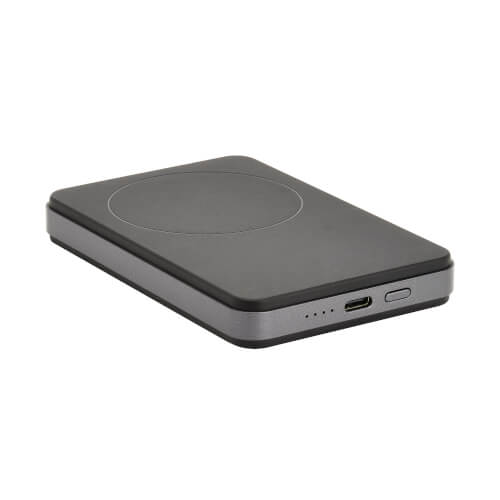
How Wireless Chargers Work: The Technology Behind the Magic
Wireless chargers operate on the principle of electromagnetic induction, a technology that converts electrical energy into magnetic energy and back again. The charger comprises two primary components: a transmitter, which is typically embedded within the charging pad, and a receiver, usually built into the device that needs charging, like a smartphone. When the charger is plugged in and powered on, an alternating current (AC) is passed through a coil in the transmitter, generating a fluctuating magnetic field. This field induces a voltage in the coil of the receiver, allowing it to convert the magnetic energy back into electrical energy, ultimately charging the device's battery.
This innovative approach eliminates the need for physical connections, offering a convenient and intuitive way to recharge our devices. Most wireless chargers adhere to the Qi standard, which ensures compatibility among various devices. The efficiency of wireless charging has improved over the years, with some models now providing rapid charging options. However, placement is crucial; the device must be correctly aligned with the charger for optimal power transfer. As this technology continues to evolve, we can expect to see even faster and more efficient ways to keep our devices powered without the hassle of tangled cords.
Counter-Strike is a highly popular first-person shooter game that has evolved over the years since its initial release. It pits teams of terrorists against counter-terrorists, creating intense tactical gameplay that has garnered a massive following. For players looking to enhance their gaming experience, check out the Top 10 iphone accessories under 50 to find the best gear.
The Top 5 Benefits of Using Wireless Chargers
Wireless chargers have increasingly gained popularity due to their convenience and user-friendly design. One of the most significant benefits is eliminating cable clutter. With a wireless charging pad, you no longer need to worry about tangled cords or the wear and tear that comes from frequently plugging and unplugging cables. Simply set your device down on the charging pad, and it begins charging—it's as simple as that!
Another advantage of wireless chargers is that they are often designed with smart technology that prevents overheating. Many models come equipped with various safety features, such as automatic shut-off when the device is fully charged, ensuring that your battery remains healthy over time. This added layer of protection can significantly extend the lifespan of your devices while providing a hassle-free charging experience.
Are Wireless Chargers Safe? Debunking Common Myths
As the popularity of wireless chargers continues to rise, many users find themselves questioning are wireless chargers safe? One of the most common myths is that wireless charging can cause overheating and damage to your device's battery. In reality, reputable wireless chargers are designed with safety features such as overcurrent and overvoltage protection. These features regulate the power output and ensure proper temperature management, making them safe for regular use. However, it's essential to use high-quality chargers from trusted brands to avoid potential safety hazards.
Another prevalent myth is that wireless charging is significantly slower than traditional wired charging. While it's true that some wireless chargers may offer slower charging speeds, advancements in technology have led to the creation of fast wireless chargers that can deliver comparable speeds to their wired counterparts. In fact, many modern smartphones support fast wireless charging, allowing users to enjoy the convenience of wireless chargers without sacrificing performance. Thus, with the right equipment, the perception that wireless charging is inefficient can be put to rest.