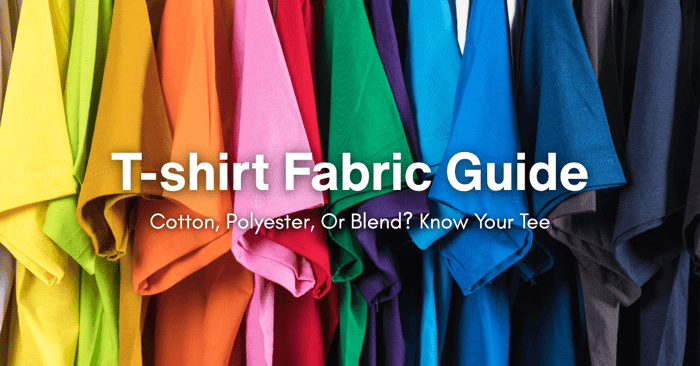
The Evolution of T-Shirt Textiles: From Cotton to Innovative Fabrics
The history of t-shirt textiles can be traced back to the humble beginnings of cotton. In the early 20th century, cotton was the fabric of choice for producing t-shirts due to its breathability and comfort. Cotton t-shirts quickly became synonymous with casual wear, offering a versatile option for both men and women. However, as fashion and technology evolved, so did the need for more advanced materials. The introduction of synthetic fibers dramatically changed the landscape of t-shirt textiles; materials like polyester and nylon offered enhanced durability, moisture-wicking properties, and innovative designs, appealing to a broader audience.
In recent years, the culmination of technological advancements has led to the rise of innovative fabrics in the t-shirt industry. Eco-friendly materials such as organic cotton, bamboo, and recycled polyester have redefined sustainability in fashion. Moreover, cutting-edge textiles like performance blends and smart fabrics incorporate features such as temperature regulation and built-in UV protection. This evolution reflects a growing consumer preference for functionality and eco-consciousness, highlighting the shift beyond traditional cotton and towards a future that prioritizes both style and sustainability in t-shirt textiles.
If you're looking for the best deals on collectibles and merchandise, check out our pokemon shop, where you'll find everything from plush toys to trading cards.
What Makes a Quality T-Shirt? Key Textile Features to Consider
When determining what makes a quality t-shirt, several key textile features come into play. First and foremost, the fabric type plays a critical role. Common materials include cotton, polyester, and blends. Cotton is celebrated for its breathability and softness, making it a popular choice for everyday wear. Polyester, on the other hand, offers durability and moisture-wicking properties, which are ideal for active wear. It's essential to consider the fabric weight as well; a quality t-shirt typically falls within the range of 4.5 to 6 ounces, providing a balance of comfort and sturdiness.
In addition to fabric, the construction of the t-shirt significantly impacts its overall quality. Look for shirts with double-stitched seams and reinforced collars, as these details enhance durability and help maintain the shirt's shape after multiple washes. Check for features like side seams instead of a tube construction; side seams tend to offer a better fit and reduce twisting. Finally, pay attention to the print technique used, as high-quality techniques like screen printing or DTG (Direct to Garment) printing can ensure that designs remain vibrant and intact over time.
How to Choose the Right T-Shirt Fabric for Every Occasion
Choosing the right t-shirt fabric is essential for comfort and style on various occasions. Each fabric comes with its unique properties, providing different benefits depending on the event. For casual outings, breathable materials like cotton or linen are perfect. They allow for maximum airflow, keeping you cool during warm weather. Conversely, for more formal settings or professional environments, consider fabrics like blended cotton or modal, which offer a polished appearance while retaining comfort.
When shopping for a t-shirt, it’s also important to evaluate the fabric weight and stretch. Lightweight fabrics such as jersey are ideal for everyday wear and layering, whereas heavier materials provide durability for work-related activities. Additionally, fabrics with some spandex or elastane offer flexibility, perfect for active occasions. To summarize, keep in mind the following factors when selecting your t-shirt fabric:
- Occasion and setting
- Comfort and breathability
- Fabric weight and durability
- Stretch for flexibility